
Colour psychology in branding: what is it and when to ignore it

What's in a colour?“When most people think about branding, they picture one thing: a logo. But in today’s world, one single logo usually isn’t enough to support your brand across all of its varied uses. It needs friends.”
When choosing colours for your brand, one of the things you might come across and consider is theory of colour psychology.
I know what you’re thinking – “Rae, aren’t you a designer?”. You’re not wrong, but I always believe design decisions should be rooted in strategy.
Colour psychology can be one of the helpful strategic tools to utilise when building a brand identity, but it can be easy to fall down the rabbit hole of what it all MEANS.
You’ve probably heard things like “blue builds trust” or “green represents health and nature” – and while there is some truth to these ideas, branding is rarely that black and white.
The concept is worth considering, but it shouldn’t be treated as a strict rulebook. Some of the strongest and most recognisable brands are the ones that intentionally break away from industry norms and expectations.
So, what exactly is colour psychology – and when is it worth paying attention to or ignoring altogether?
What is colour psychology?
At its core, colour psychology is the idea that different colours can evoke both conscious and subconscious emotions, associations, and meanings.
Certain colours are often linked to specific feelings or ideas, which can help shape how people perceive a brand. Because of this, colour psychology is commonly used in branding and marketing to help align a business with the audience they’re trying to attract.
Some of the colours and their respective associations include:
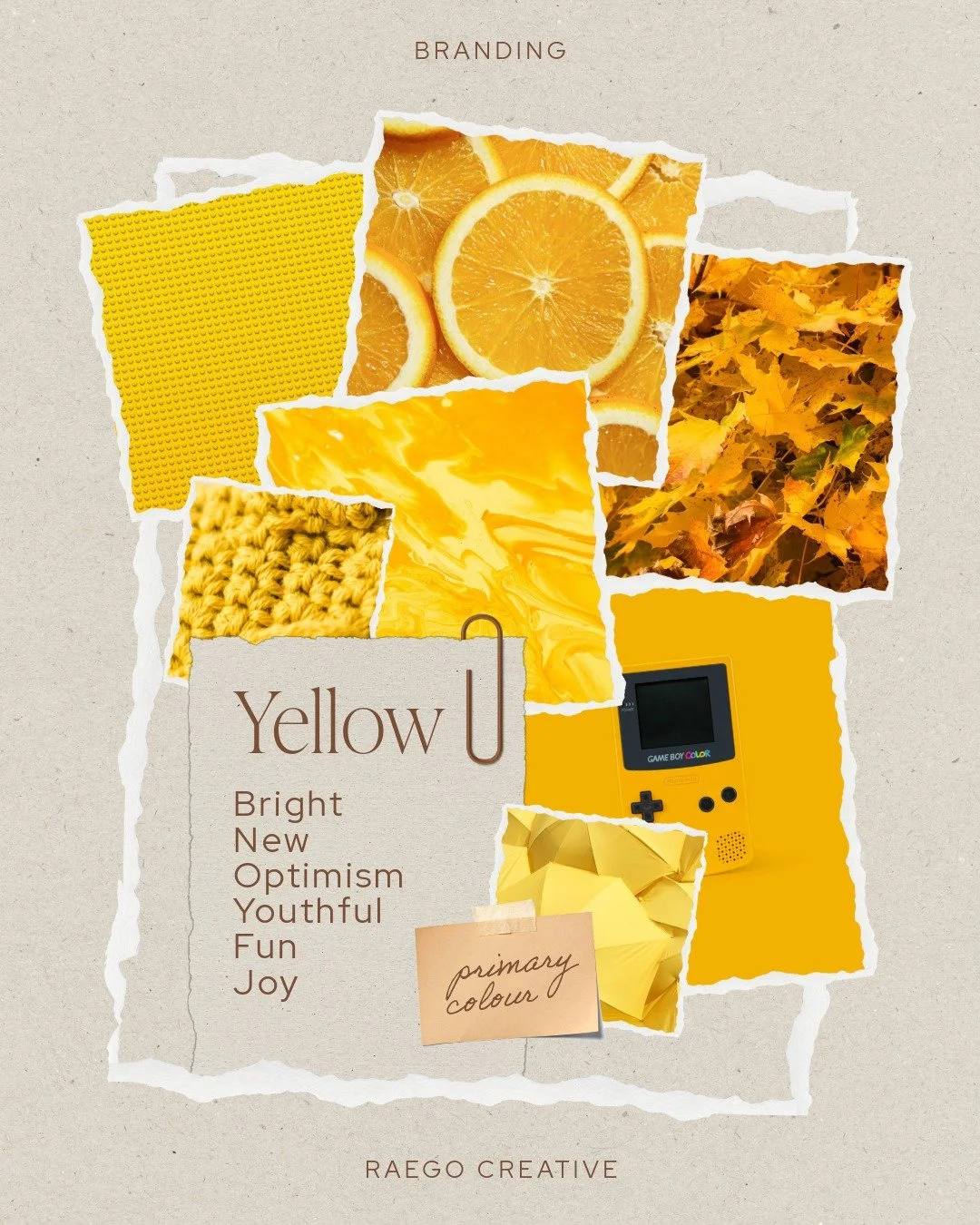
Yellow
Brightness
Joy
Optimism
Fun
Youthfulness
Newness

Blue
Trust
Stability
Professionalism
Security
Calmness
Peace

Orange
Energy
Warmth
Creativity
Vibrancy
Playfulness
Enthusiasm

Green
Freshness
Nature
Organic
Health
Growth
Nurture

Red
Boldness
Passion
Urgency
Love
Strength
Excitement
These kinds of associations can absolutely influence how a brand feels to an audience – which is why colour psychology can be a valuable consideration during the branding process.
Why should you consider colour psychology?
Colour psychology (if you’re already getting sick of this term, BUCKLE UP) gives brands a strategic starting point. Instead of choosing colours purely based on personal preference, it encourages you to think about how you want your audience to feel when interacting with your brand.
For instance:
A wellness brand might lean into calming greens, warm neutrals, or soft earthy tones to create a grounded and nurturing feel
A finance or tech company may use cooler blues and charcoals to build a sense of trust, professionalism, and security
A children’s brand may opt for bright, playful colours to create excitement and energy
These associations can help position your brand in a way that resonates with the audience you’re trying to attract.
Which is exactly why colour psychology can be so useful – it provides a framework for making informed design decisions, rather than random ones.
But it’s important to remember one thing: it should be treated as a guide, not a hard-and-fast rule. Stay with me.

When should you ignore colour psychology?
This is where branding becomes far more nuanced than simply choosing colours based on meanings alone.
The reality is that colour meanings aren’t fixed. Context, culture, industry expectations, trends, and overall brand strategy all play a role in how colours are perceived.
Context matters
Colours can mean completely different things depending on the situation they’re used in.
Red can feel romantic and luxurious in one brand, but urgent and alarming in another. Black can feel elegant and premium, or harsh and intimidating. It all depends on the surrounding visual system, messaging, typography, imagery, and overall brand personality.

Cultural differences matter too
Colours can also carry very different meanings across cultures.
For example, while white is often associated with purity and weddings in Western cultures, it can represent mourning in parts of Asia. Red may symbolise luck and celebration in some cultures, while representing danger or warning in others.
This is especially important for brands with international audiences.
Following the “rules” too closely can make your brand blend in
One of the biggest problems with relying too heavily on colour psychology is that it often leads entire industries to look the same.
Think about how many finance brands use blue.
How many eco brands use green.
While there’s a reason those colours became common in the first place, blindly following industry expectations can make it difficult for your brand to stand out.
It’s about finding the balance between choosing colours that feel familiar enough to build trust, while still identifying gaps in the market to create something that feels distinctive, aligned with your audience, and clearly set apart from your competitors.
Case study time: Australian Open branding
A great example of breaking the rules of colour psychology is the branding of the Australian Open.
Traditionally, tennis branding has heavily leaned into classic greens – largely influenced by heritage-led tournaments like Wimbledon. If you followed traditional industry expectations, you might assume a tennis tournament should look green (how stuffy).
Instead, the Australian Open embraced the bold electric blue of its signature courts and turned it into a defining part of the brand identity.
The branding is then supported with vibrant accents of tennis-ball yellow, warm oranges, and bright pinks that reflect the unique energy of the Australian summer. The result is a visual identity that feels modern, energetic, youthful, and instantly recognisable.
More importantly – it stands out. It proves that sometimes breaking the rules is exactly what helps a brand become iconic.

Be in the know
Colour psychology absolutely has value in branding. It can help guide strategic decisions, shape emotional perception, and provide a strong starting point when building a visual identity.
But it shouldn’t be the only thing informing your choices.
Strong branding is about far more than individual colours – it’s about creating a cohesive visual system that reflects your brand personality, resonates with your audience, and differentiates you from competitors.
So yes, consider colour psychology. Just don’t let it be the only thing you consider.
Need help crafting your own logo and branding? Check out my full guide to choosing the right colours for your small business branding, or explore my branding packages today to discover how I could help you create your own unforgettable brand identity.
You may also like


How to get that custom feel for less when it comes to your wedding invitations and stationery.